Robotics Certifications 2026: ISO 10218 Update, EN ISO 13482, and the New Collaborative Stack
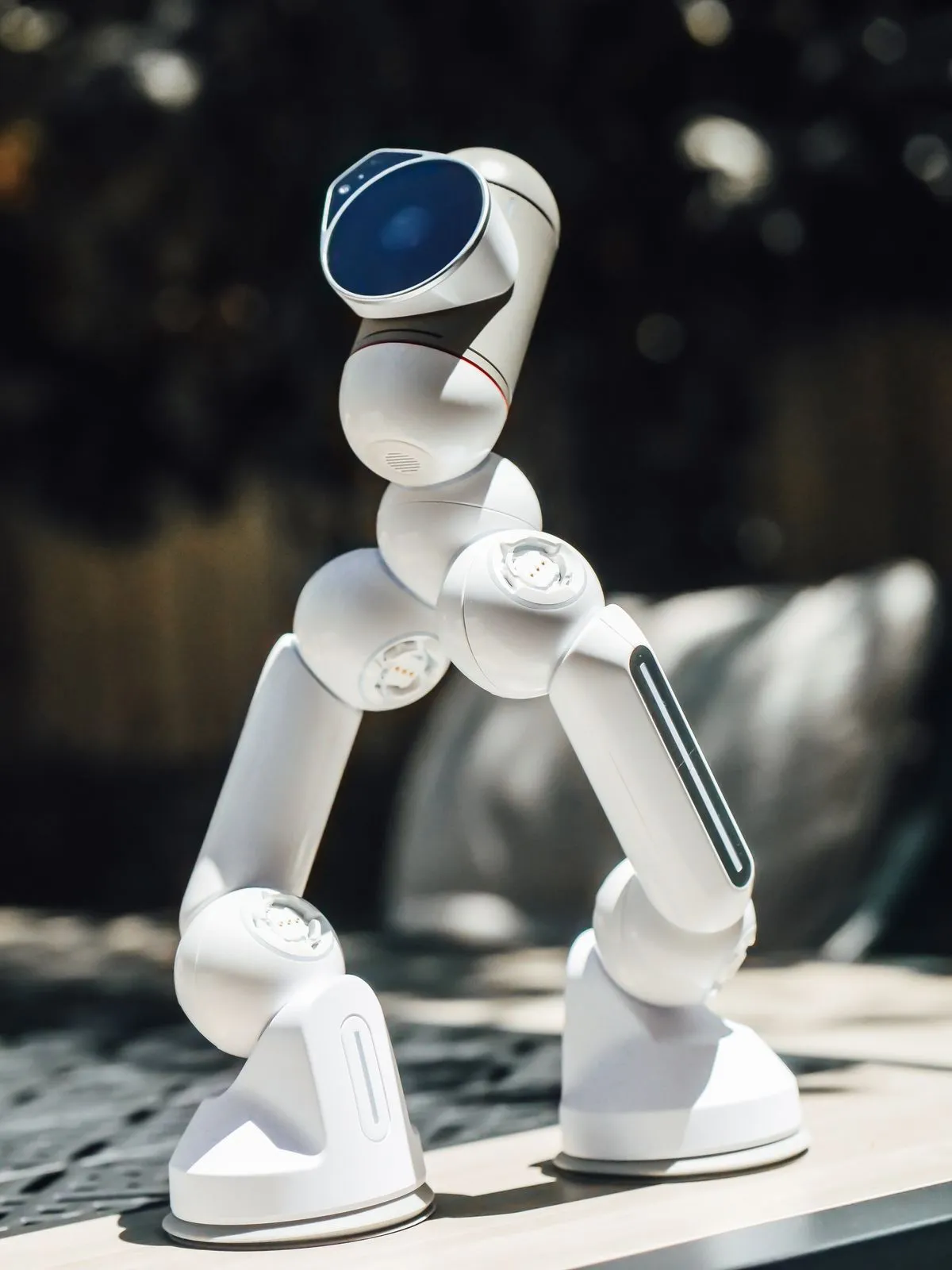
The robotics certification landscape went through its biggest update in a decade during 2025. ISO 10218 parts 1 and 2 were republished in July 2025 with substantial revisions to collaborative operation requirements. EN ISO 13482, covering personal care robots, was updated in parallel. ANSI R15.06 aligned with the new ISO version in October 2025. Robotics teams shipping into the EU and US in 2026 are working against a refreshed certification stack that invalidates parts of their existing safety case.
What Changed in ISO 10218:2025
The 2025 revision rewrites the collaborative operation section. The previous version treated four collaborative modes (safety-rated monitored stop, hand guiding, speed and separation monitoring, power and force limiting) as separate requirements. The 2025 version restructures these as composable risk reduction measures, with explicit verification requirements for each combination used.
The practical impact is that risk assessment dossiers prepared under the 2011 version need substantial rework to cover the new verification requirements. Notified bodies are giving manufacturers until mid-2027 to update existing certifications, but new applications after January 2026 must use the 2025 baseline.
The revision also tightens requirements on safety-related parts of control systems. Performance levels (PLd or PLe per ISO 13849-1) must now be substantiated with quantitative evidence including failure mode analysis tied to the actual deployed components, not generic supplier claims.
The Personal Care Robot Track
EN ISO 13482, the standard for personal care robots, was updated in late 2025 to clarify the boundary with medical devices. Robots performing tasks that involve physical contact with elderly or disabled persons, but not for medical purposes, fall under EN ISO 13482 plus the Machinery Regulation. Robots performing the same physical interaction with a medical claim shift into MDR scope.
The boundary matters for the certification cost. EN ISO 13482 plus MR is a meaningful certification effort, but it is bounded. MDR Class IIa or IIb adds clinical evaluation, post-market surveillance, and notified body audit cycles that triple the cost.
Several French robotics startups working on assistive robotics are restructuring their product positioning in 2026 specifically to stay on the EN ISO 13482 side of the boundary, where time-to-market is 9 to 12 months versus 24 to 36 months under MDR.
The Cybersecurity Overlay
Both ISO 10218:2025 and EN ISO 13482 reference cybersecurity as a safety-relevant property. They do not specify the cybersecurity controls directly, but they require the manufacturer to demonstrate that cybersecurity threats have been considered in the safety risk assessment.
In practice, this means a robotics certification submission in 2026 must include a cybersecurity risk analysis aligned with IEC 62443 or equivalent. The Cyber Resilience Act adds a parallel obligation. The same hardware product may need to satisfy three overlapping cybersecurity regimes: ISO 10218 for safety-relevant cyber, IEC 62443 for industrial automation cyber, and CRA for general product cyber.
The Configuration Trap
The certification machinery assumes the product configuration is stable. Real robotics products iterate constantly: firmware updates, sensor swaps, end-effector changes. Each modification potentially invalidates parts of the safety case. The 2025 ISO 10218 revision explicitly requires manufacturers to maintain a configuration management system that links every safety-relevant change to its impact on the certification.
Robotics teams that manage this in spreadsheets discover during the next audit that several deployed configurations have drifted from the certified baseline. The fix is structural: the configuration management system has to be the same system that holds the safety case, and changes have to flow through both as a single transaction.
The Operational Implication
Robotics companies certifying for EU and US deployment in 2026 need three operational capabilities. They need a graph-based safety case that connects requirements, hazards, risk reduction measures, components, and verification evidence as queryable nodes. They need configuration management that operates on the same graph, so a firmware change that affects a safety function flags the certification impact automatically. They need partner access for notified bodies, so audits become live queries against the current state instead of dossier preparation marathons.
Koddex was built to make these three capabilities a single system. Robotics teams stop choosing between certification rigor and engineering velocity.